Gastroenterology & Hepatology Fellowship Program at Cook County Health
Mission Statement
To empower the next generation of gastroenterologists to thrive in private practice as well as academia, ensuring they deliver the highest level of patient care.
We foster a collaborative environment that values mentorship, innovation and continuous learning.
We are aligned with the mission of our healthcare system, which is to provide the world’s best health care to all residents of Cook County, regardless of their ability to pay.
Cook County Health is among the largest public healthcare systems in the country. One of the benefits of doing fellowship here is the sheer number of uncommon and unusual pathologies that one encounters. Our program provides fellows with the opportunity to gain extensive experience in Endoscopy through a high volume of procedures. In addition, it is one of the few programs in the nation that provides significant hands-on training in ERCP during the three-year fellowship. We have expert faculty with special interest in Motility, IBD and Interventional endoscopy, who will provide the fellows with outstanding clinical and academic experience in various aspects of Gastroenterology. Our program is affiliated with Rush University Medical Center. This collaboration allows fellows to learn from an even more diverse pool of patients and also gives them the opportunity to rotate with Liver Transplant service.
Our 3-year ACGME accredited fellowship program stands out for its comprehensive approach to Gastroenterology and Hepatology training. We have a proven track record of producing highly successful physicians who are leaders in their respective areas of practice. Graduates of our fellowship program are now members of faculties, Department Heads and Program Directors at some of the leading academic medical centers throughout the U.S., as well as highly accomplished gastroenterologists who are instrumental in providing their skilled services to the community.
There are three fellowship positions each year. All are clinical, but research is encouraged, and each fellow will be provided with ample opportunities for research.
Program Contact
Applications
Application Process
The Division of Gastroenterology at John H. Stroger, Jr. Hospital of Cook County accepts fellowship applications from candidates who are eligible to take the American Board Examination in Internal Medicine at the time of starting the Fellowship in Gastroenterology.
Our Gastroenterology Fellowship Program participates in the National Residency Matching Program (NRMP), adhering to its regulations and deadlines.
You can apply to our program via ERAS. All application packets must include the following:
- Three letters of recommendation
- Copies of USMLE scores
- A personal statement
- Medical school transcripts
- A curriculum vitae
Please note that we follow the ERAS timeline for application submissions.
Curriculum
The main focus of this program is clinical training. Over three years, fellows will gain the comprehensive knowledge needed to become subspecialists in gastroenterology and hepatology. Because this field has grown significantly over the past two decades, our training program has expanded to ensure that fellows gain experience and proficiency in the clinical skills and techniques expected of a well-rounded, skilled consultant capable of providing optimal patient care.
Fellows will gain an in-depth understanding of gastrointestinal, hepatobiliary, and pancreatic disorders. Additionally, our trainees will receive extensive training in endoscopy, along with further education in motility and nutrition. Each fellow will have the opportunity to participate in clinical research. We are committed to offering an exceptional training experience that equips our fellows with the educational and technical skills needed to become highly qualified clinical gastroenterologists with advanced GI endoscopic expertise.
Our fellows train in a state-of-the-art facility equipped with the latest technology, including Olympus scopes and the newest EVIS X1 processors. We have also integrated advanced AI tools, such as GI Genius, to ensure our fellows are exposed to the most recent innovations in the field. All trainees have access to comprehensive training in standard endoscopic procedures, as well as simulations and more advanced techniques. These include therapeutic endoscopy, Endoscopic Retrograde Cholangiopancreatography (ERCP), SpyGlass Direct Visualization System for cholangioscopy, Endoscopic Ultrasound (EUS), Video Capsule Endoscopy, Single Balloon Enteroscopy, Halo-RFA management for Barrett’s Esophagus, EndoFlip, High-Resolution Manometry, and pH monitoring. During the second and third years of the fellowship, our fellows receive additional training in ERCP and other therapeutic endoscopic procedures. As a result, they often attain the necessary competence within the three-year fellowship period, obviating the need for a fourth year. Additionally, fellows receive training in hepatology and biliary disorders through consultation rotations and participation in GI and Liver Clinics.
Through our affiliation with Rush University Medical Center, we conduct weekly combined Grand Rounds. This partnership provides our trainees with broader exposure to all aspects of Gastroenterology and Hepatology. By the end of their training, our fellows are expected to demonstrate sufficient professional ability to practice independently and competently.
The didactic component of the fellowship program includes the following every week:
- Core topic lectures presented by attending specializing in that field.
- Board review session with focused discussion about related topics.
- Clinical case conference where the focus is to discuss a common topic and learn about guidelines regarding the same.
- Grand rounds combined with Rush University where one fellow from each program presents an interesting case.
- Journal club (bi-weekly) which not only encourages analyzing the articles but also focuses on implementing the latest research in clinical practice.
- Pathology/Radiology/Research and QI conferences (bi-weekly).
Faculty and Fellows | |
|---|---|
Seema Gandhi, MD | Interim Chair of Gastroenterology and Hepatology Director of Endoscopic Ultrasound Service Interventional Endoscopist |
Vikram Kotwal, MD | Program Director Gastroenterology and Hepatology Attending |

Benjamin Go, MD | Associate Program Director Gastroenterology and Hepatology Attending |
Anas Almoghrabi, MD | Gastroenterology and Hepatology Attending |
Mohamed Elkhouly, MD | Director of Ambulatory Clinics Gastroenterology and Hepatology Attending |
Kajali Mishra, MD | Director of Inflammatory Bowel Disease Clinic Gastroenterology and Hepatology Attending |
Satya Mishra, MD | Director of Motility Gastroenterology and Hepatology Attending |
Hemant Mutneja, MD | Gastroenterology and Hepatology Attending |
Oscar Rivas-Chicas, MD | Gastroenterology and Hepatology Attending |
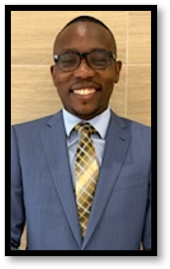
Meet Our Fellows
| Name | Education | |
| Robert Kwei-Nsoro, MD Chief Fellow |
| ![]() |
| Edwin Wang, MD |
| ![]() |
Sania Saleem, MD |
| ![]() |
Mohamed Boshnaf, MD |
| ![]() |
| Name | Education | |
| Grecia Santaella-Mendez, MD |
| |
| Daksh Ahluwalia, MD |
| |
| Mihir Shah, MD |
|
| Name | Education | |
| Patricia Gulino-Zarza, MD |
| |
| Mitchelle Zolotarevsky, MD |
| |
| Tarek Jaber, DO |
|