Nutrition labels give you the key details you need to prepare balanced, delicious meals for yourself and your family. At Cook County Health, our dietitians are here to help you make sense of these labels so you can confidently choose foods that support your well being.
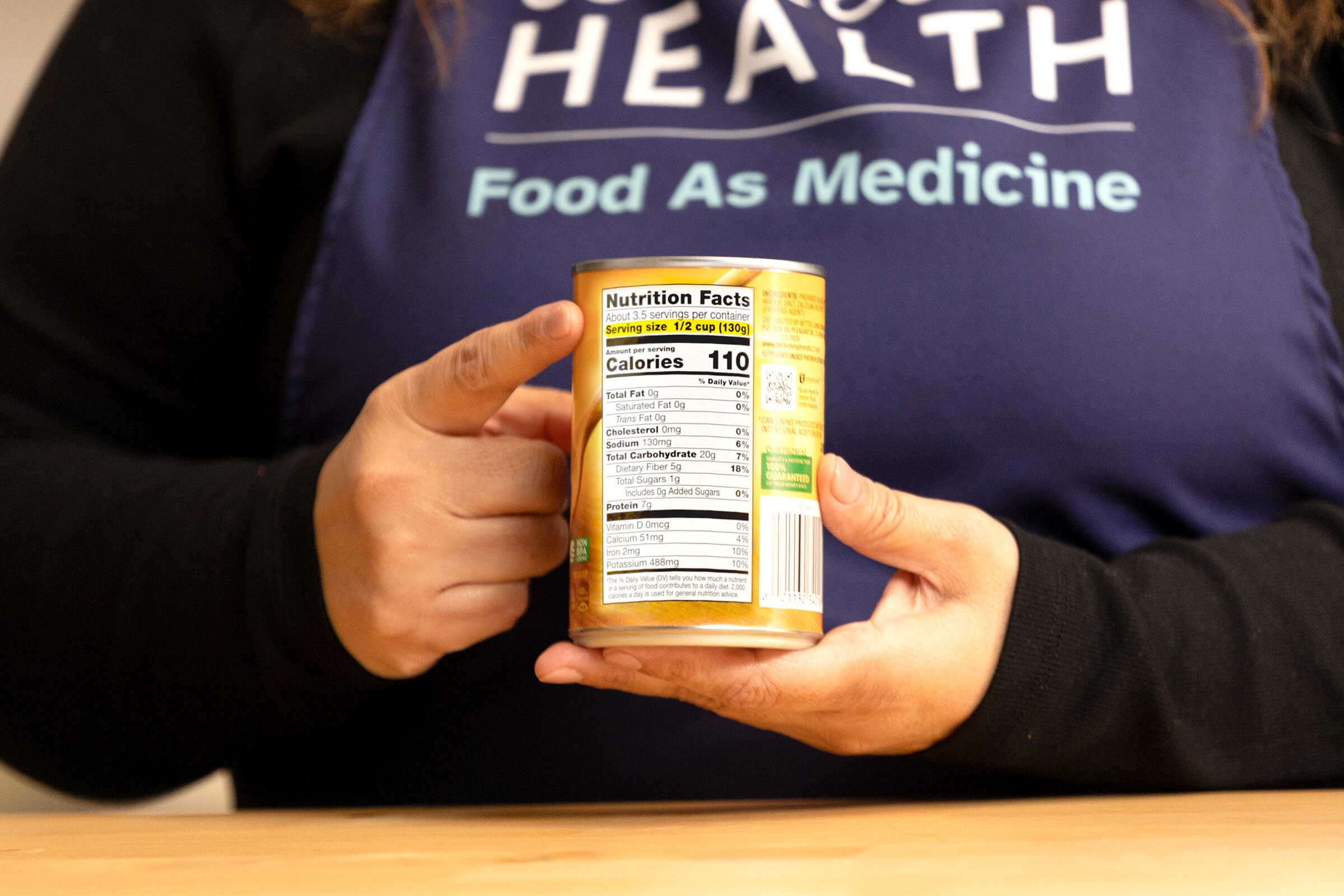
At the top of the Nutrition Facts label, you’ll find the serving size. All the numbers that follow are based on this amount. If you eat more than one serving, you’re also increasing every value on the label.
Check the Calories
Calories tell you how much energy you get from a single serving. If a product is high in calories, like 400 calories per serving, eating a smaller portion (such as half) can help you enjoy the food while managing your intake.
Understand % Daily Value
The Percent Daily Value (%DV) shows how much of each nutrient you’re getting based on a 2,000‑calorie diet. It’s a quick way to see if a nutrient is low or high in a serving:
5% DV or less = low
20% DV or more = high
Use this to compare foods and choose options that meet your nutrition goals.
Know What to Limit
Some nutrients can add up quickly, so try to keep an eye on:
Saturated fat
Sodium
Added sugars
Choosing foods lower in these nutrients supports heart health and overall wellness.
Look for Nutrients You Need More Of
Aim for foods higher in:
Fiber
Vitamin D
Calcium
Iron
Potassium
These nutrients help support your bones, digestion and longterm health.
Always Compare
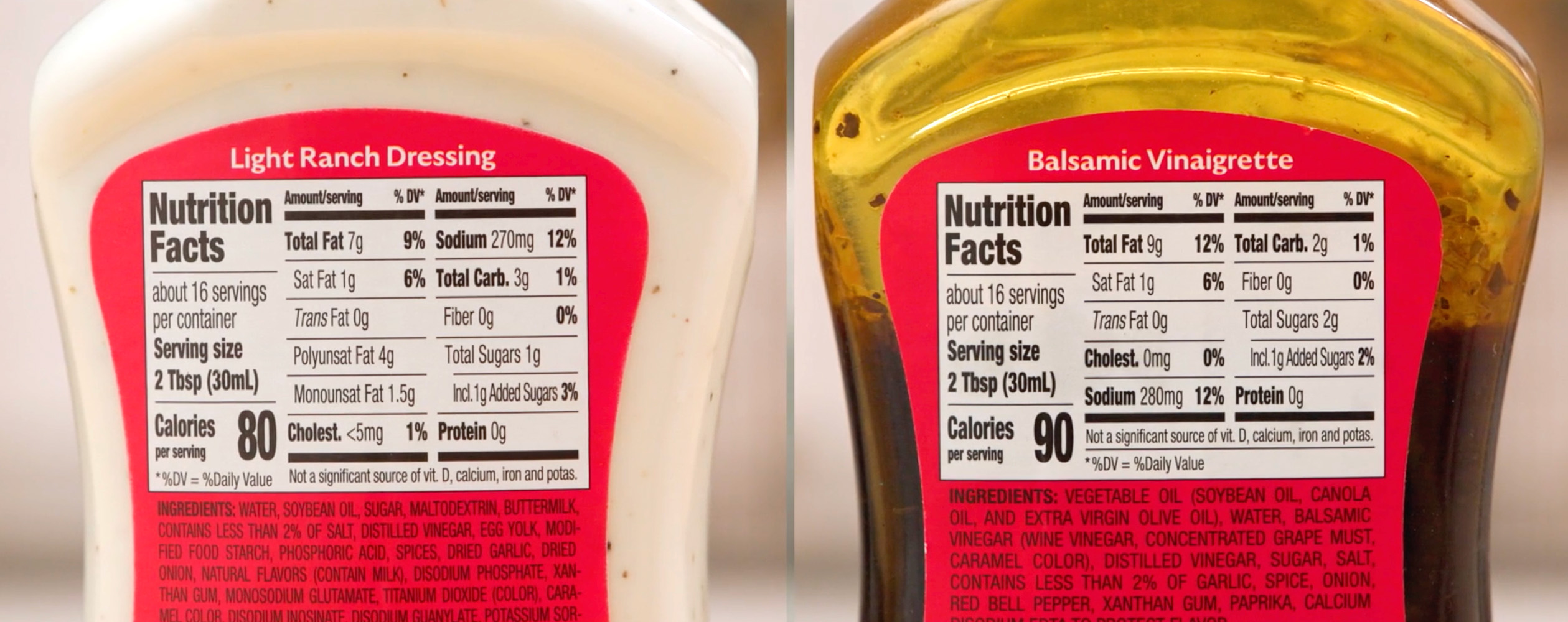
Labels can reveal surprising differences. For example, a ranch dressing may sometimes be lower in calories, fat, and sodium and higher in protein and potassium than a balsamic vinaigrette. The label tells the real story, not assumptions.
Every Brand Is Different
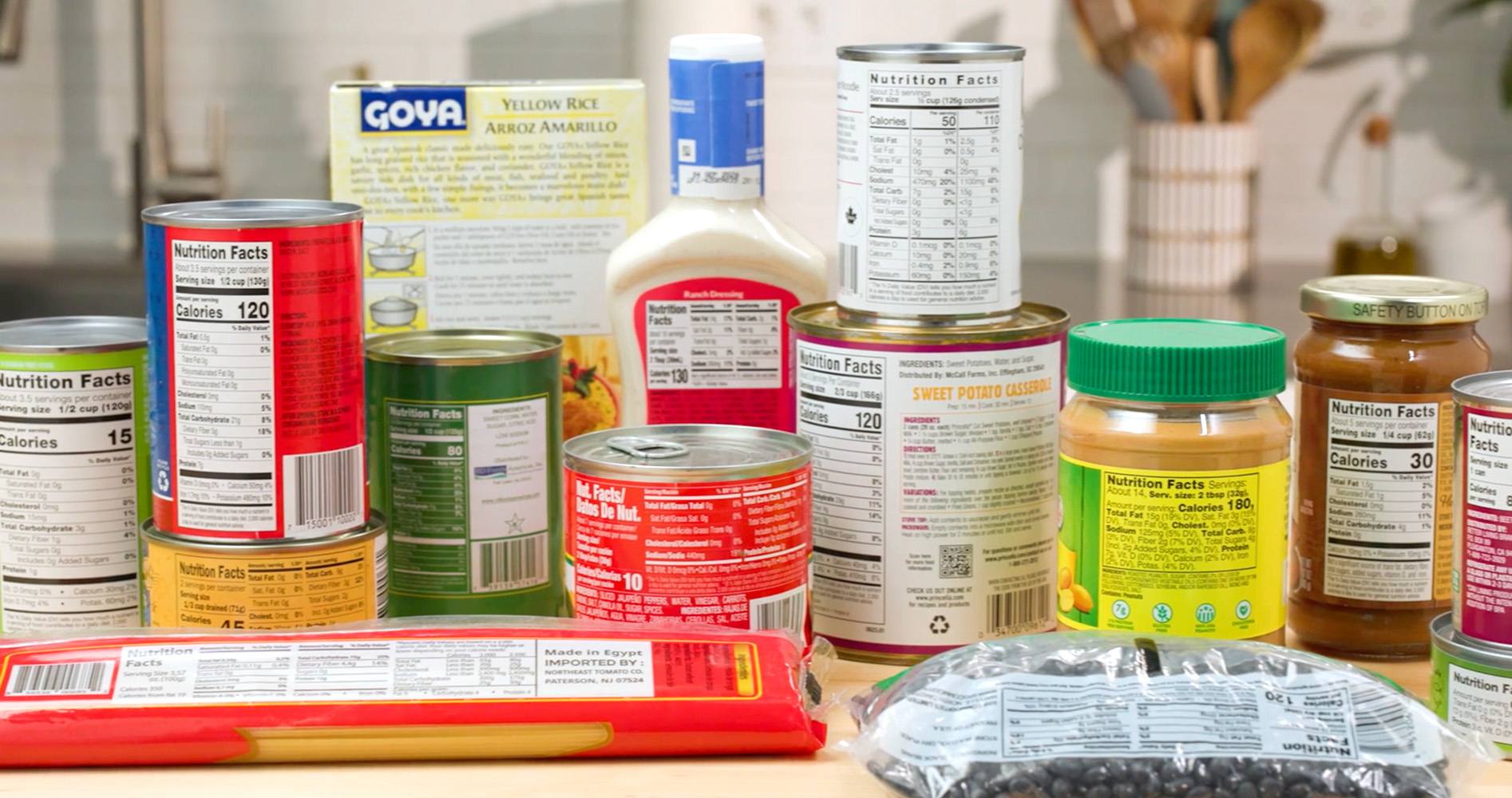
Even similar products can have completely different nutrition profiles. Always flip the package and check the label before choosing. The more familiar you become with nutrition labels, the easier it is to stock your home with foods that help your whole family thrive.
Eat More Fiber for Stroke Prevention
Eating more fiber can help lower your risk of stroke.
Most people consume about half of the recommended daily intake of fiber. Follow these recommendations to add more fiber to your diet.
Watch the video to learn more.
Spring Clean Your Diet Habits for Better Blood Sugar
Building healthy habits can start with small, everyday changes.
Swapping foods high in added sugars with healthier options and moving after meals can help keep your blood sugar steady.
Watch the video to learn more.
Reducing Cancer & Chronic Disease Risk Through Your Diet
What’s on your plate matters.
Watch this video with plating recommendations from the American Institute for Cancer Research to learn ways to help reduce your risk of cancer and chronic disease.
Watch the video to learn more.
Sugar: The Secret Ingredient Threatening Your Heart
Added sugar is a secret ingredient in many foods that can harm your heart health.
Added sugar can increase inflammation, elevate blood pressure and put you at risk for diabetes. Try substituting sweetened treats with naturally sweet options like fruit.



 Polski
  English
  Español
  العربية
  简体中文
简体中文